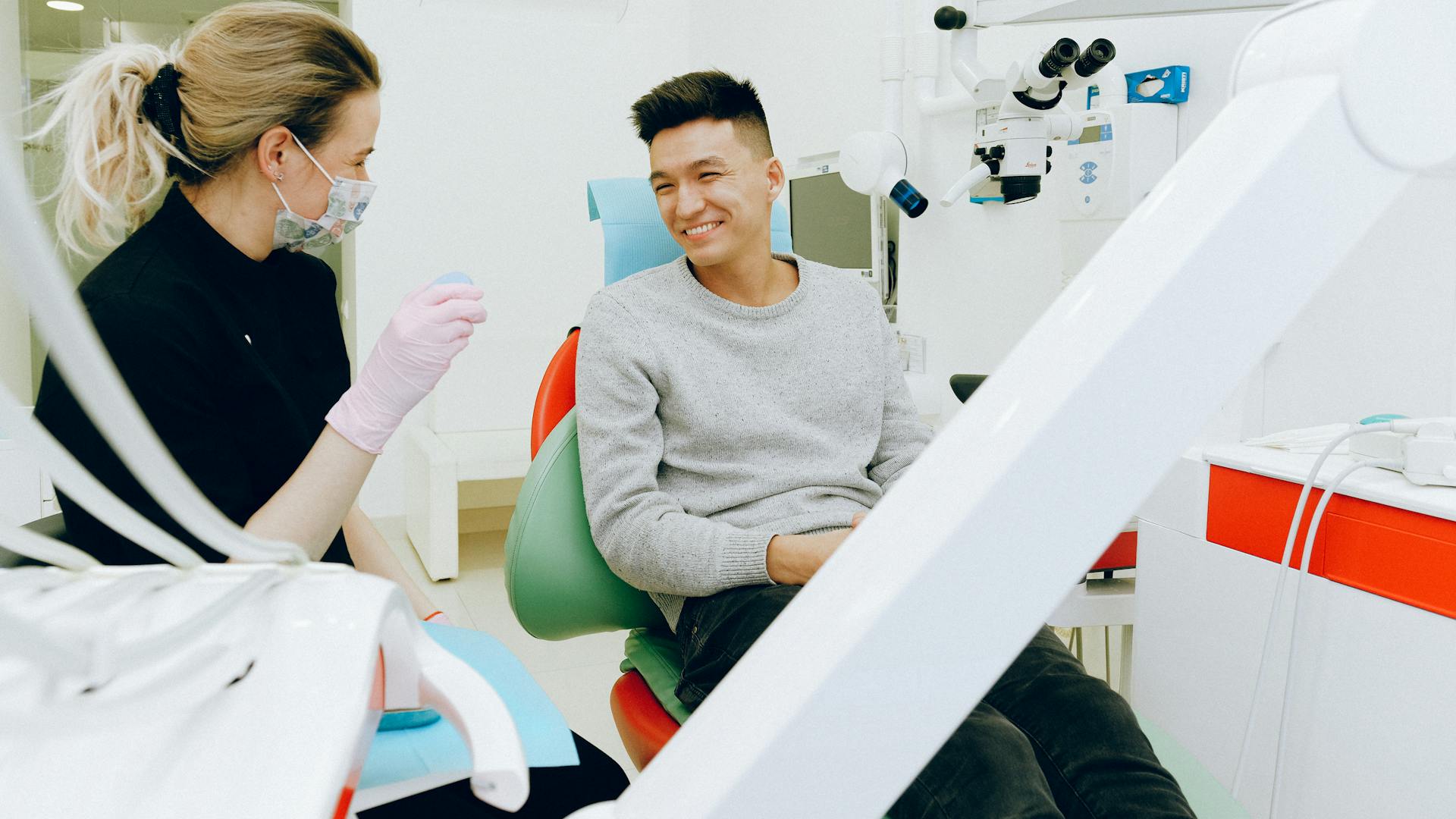
If the thought of sitting in a dental chair makes your heart race, you're far from alone. Studies estimate that 36% of people experience dental anxiety, and 12% have severe dental phobia. At Lakeview Dental, we treat anxious patients every day — and we take it seriously.
1. Communicate Your Anxiety
Tell your dentist and hygienist before treatment begins. We can adjust our approach — explaining each step before we do it, checking in frequently, and moving at a pace you control. Establishing a "raise your hand if you need a break" signal puts you back in charge.
2. Start Small
If it's been years since your last visit, start with just a consultation. Walk through the office, meet the team, sit in the chair. No treatment, no pressure. Getting comfortable with the environment first makes future visits much easier.
3. Use Noise-Canceling Headphones
For many anxious patients, the sounds of dental instruments are the biggest trigger. Bring headphones and listen to music, a podcast, or a meditation app during your appointment. We encourage it.
4. Practice Breathing Techniques
The 4-7-8 technique works well: breathe in for 4 seconds, hold for 7, exhale slowly for 8. This activates your parasympathetic nervous system and physically reduces anxiety. Practice at home first so it feels natural in the chair.
5. Schedule Strategically
Book morning appointments when your stress hormones are lowest and waiting room time is shortest. Avoid scheduling after a stressful workday. And don't let yourself sit in the waiting room for too long — let us know if you prefer to be called in quickly.
6. Consider Sedation Options
We offer nitrous oxide (laughing gas) for mild anxiety, oral sedation for moderate anxiety, and IV sedation for severe phobia or complex procedures. Sedation doesn't mean you're unconscious — you're relaxed, comfortable, and often have little memory of the procedure afterward.
7. Reward Yourself
Plan something enjoyable after your appointment. A good meal, a favorite activity, or simply acknowledging that you did something difficult. Positive reinforcement helps reshape your brain's association with dental visits over time.